
Cuando te escapas a tu casa de vacaciones o llegas a casa al final de un día ajetreado, ¿qué es lo que más te ilusiona? Probablemente no sea una larga lista de tareas domésticas y de mantenimiento.
Por eso, las casas de Turkel Design se construyen y revisten con materiales de alta calidad diseñados para perdurar. Al seleccionar los acabados adecuados para su hogar, estos son algunos de los factores que consideramos para ayudar a reducir el tiempo y el costo del mantenimiento:
- usar materiales que sean apropiados para el clima y las condiciones climáticas de su sitio
- usar el diseño de la casa para proteger los materiales más sensibles del sol y la lluvia
- desplegar materiales naturales de forma selectiva en áreas donde se pueden ver y experimentar en las proximidades
- colocar los materiales que requieren un mantenimiento más frecuente en lugares de más fácil acceso
Si está interesado en una vivienda de bajo mantenimiento, aquí hay algunos ejemplos de cómo hemos utilizado los materiales correctos en los lugares correctos para liberar a nuestros clientes y disfrutar de sus hogares más plenamente.
Elegir los materiales adecuados para las condiciones de su sitio
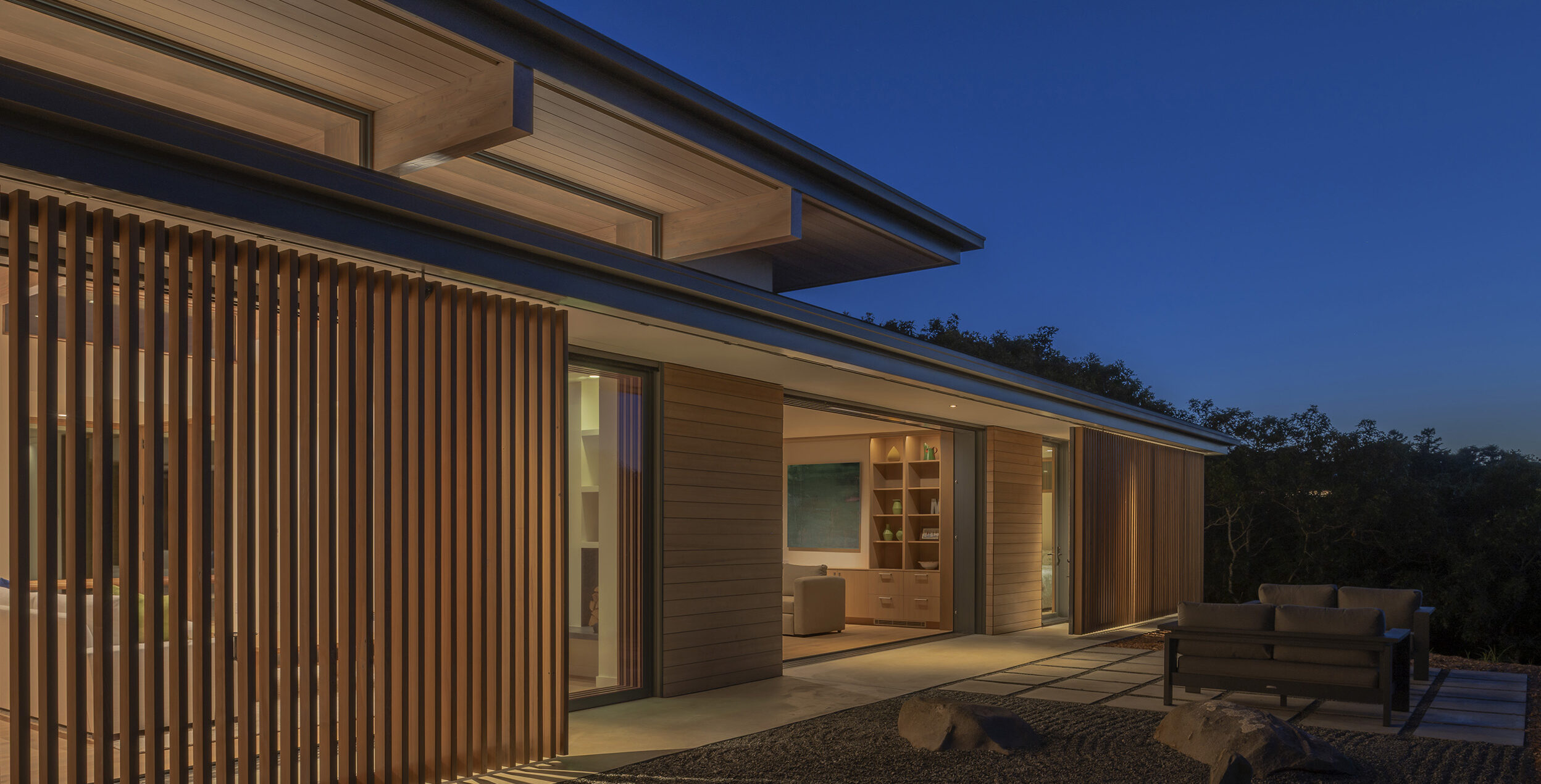
Como ejemplo de materiales de alta calidad y bajo mantenimiento, tome este casa en Martha's Viñedo. Las celosías personalizadas que se deslizan a lo largo de la fachada están hechas de cicuta (una madera de hermosa veta) tratada térmicamente. El calor del tratamiento térmico, en esencia, cuece la madera, eliminando los compuestos orgánicos de las células. Este proceso mejora notablemente la durabilidad y estabilidad del material, haciéndolo resistente a la putrefacción, los hongos y los insectos, una gran ventaja en un clima costero donde el aire es húmedo y está impregnado de brisa marina.
La niebla salina es, además, notoriamente corrosiva, por lo que las caras exteriores de los marcos de las ventanas de la casa están revestidas de aluminio tratado con un sistema de recubrimiento de resina de resistencia industrial, un acabado que utilizamos en todas nuestras casas.
Utilizar los materiales adecuados en los lugares adecuados
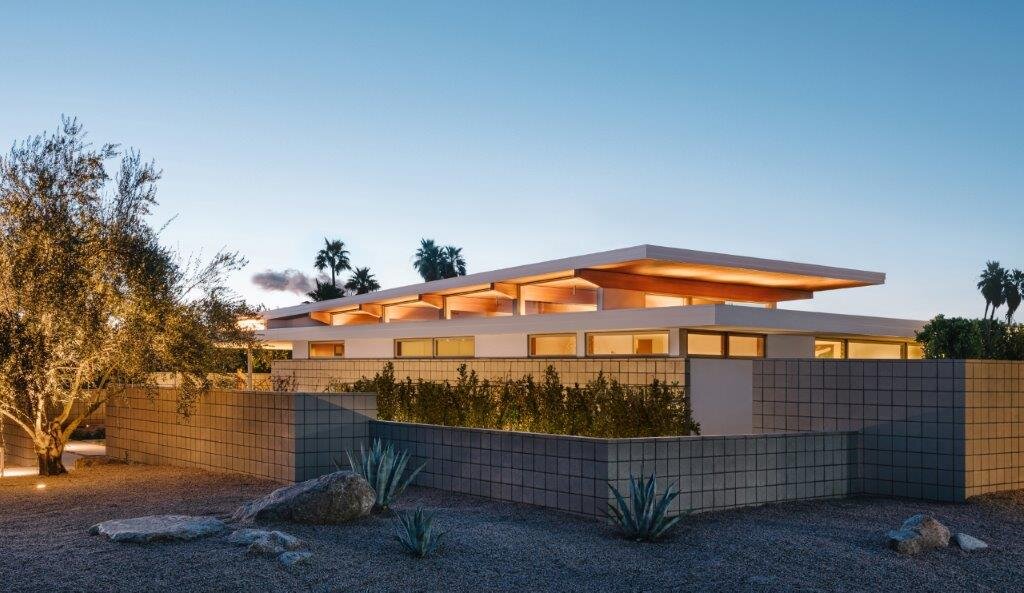
casa del desierto Es un proyecto que nos permitió poner a prueba ideas sobre diseño y acabados exteriores de bajo mantenimiento; en este caso, materiales adecuados para las condiciones cálidas y secas de Palm Springs, California.
En la fachada que da a la calle, los bloques de hormigón apilados cumplen múltiples funciones específicas para el lugar. Conservan el calor del día durante la fría noche, amortiguan el ruido de la calle y proporcionan una superficie resistente para el jazmín rastrero.
En el lado del patio orientado al sur, el estuco blanco es otro material muy adecuado para el entorno desértico. Refleja el sol y ayuda a mantener la casa fresca durante los calurosos días de verano.
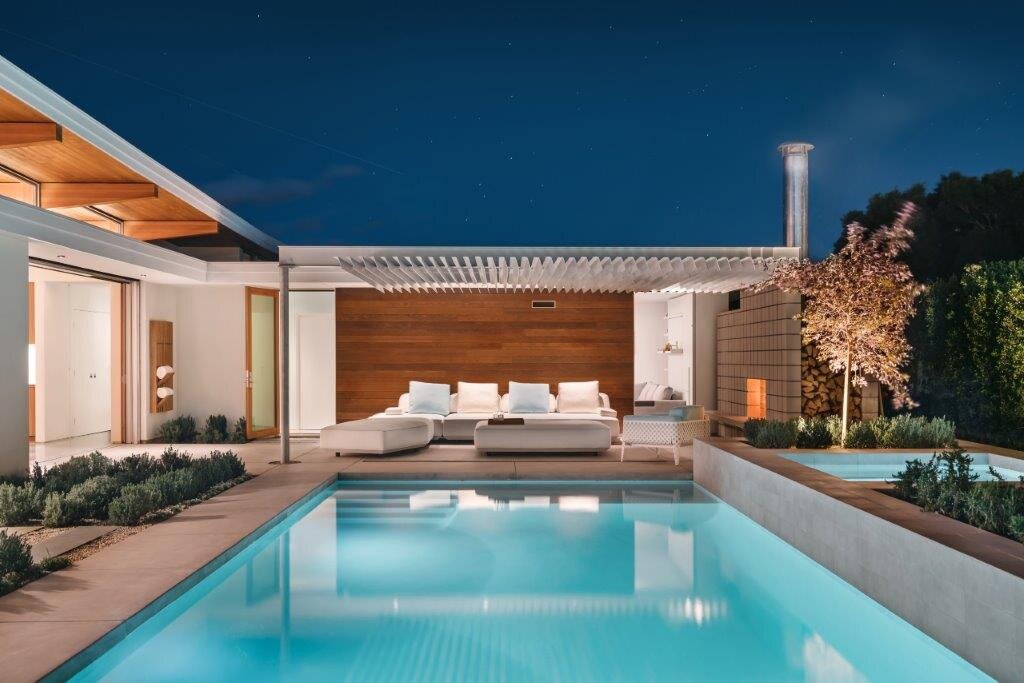
También revestimos un espacio exterior con una pared de madera de tonos cálidos; en este caso, abedul tratado térmicamente. La madera de abedul no suele asociarse con climas desérticos, pero cuando se trata térmicamente y se protege del sol con una pérgola, recibiendo rayos directos solo al atardecer, se conserva muy bien.
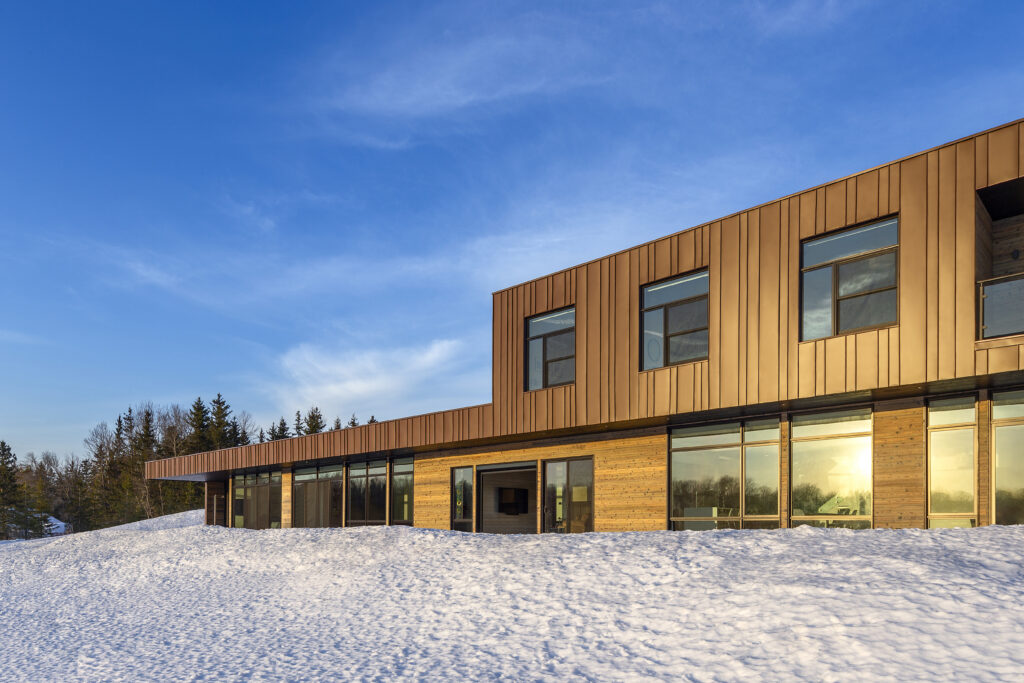
En un clima muy diferente al de Palm Springs, en esta casa familiar de Ontario, el revestimiento del piso superior proporciona una capa protectora al exterior del piso inferior. Tan al norte, el clima puede ser muy variable, por lo que el piso superior, revestido con metal de junta alzada que no requiere mantenimiento, sobresale del piso inferior y protege su revestimiento de cedro de la lluvia y la nieve.
Una casa cuidadosamente diseñada puede ser más fácil de mantener y un placer para vivir en ella. Si se imagina viviendo en una hermosa casa personalizada hecha con materiales apropiados para la región que sean a la vez hermosos y duraderos, por favor Contáctenos.


 English
  Français
  한국어
한국어  Español
  简体中文
简体中文